

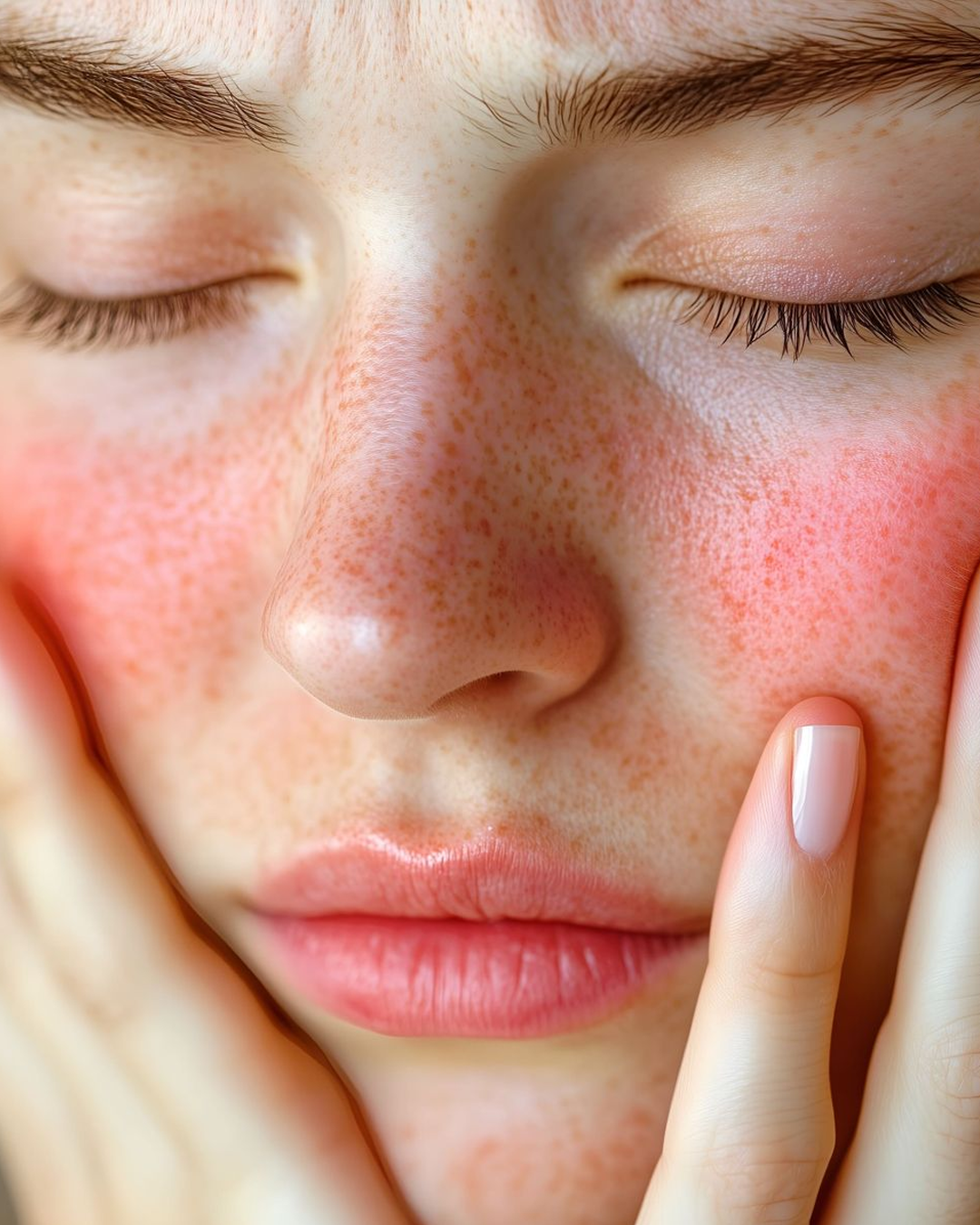
Skin Texture Irregularity — Deep Clinical Case Understanding
Skin texture irregularity is not a single problem — it is a result of multiple skin processes happening together. In clinic, it’s often the most visible sign of overall skin health decline.
What “poor skin texture” actually means clinically
Texture issues usually come from 4 overlapping layers of dysfunction:
1) Epidermal buildup (surface layer)
- Dead skin cells accumulate instead of shedding evenly
- Slower cell turnover
Skin feels rough, looks dull, makeup sits unevenly
2) Pore & sebum imbalance
- Enlarged or congested pores
- Excess oil + trapped debris
Creates “bumpy” or uneven appearance
3) Dermal structure weakness
- Collagen + elastin support
- Post-acne scar remodeling
Leads to dips, pits, and uneven light reflection
4) Dehydration component
- Low water content in epidermis
- Weak barrier function
Fine texture lines become more visible even without aging
Real clinic presentation patterns
Mild texture case
- Slight roughness on cheeks
- Visible pores in T-zone
- Dull glow loss
Mostly reversible with resurfacing + hydration
Moderate texture case
- Post-acne marks (PIH + shallow scars)
- Enlarged pores + uneven reflection
- Makeup settles into texture
Needs combination therapy (collagen + exfoliation)
Advanced texture case
Atrophic acne scars (ice pick / boxcar / rolling)
Long-term sun damage texture
Thickened or uneven dermal remodeling
Requires structured multi-session plan
Why texture becomes worse over time
Key accelerators:
- Acne inflammation left untreated
- Over-exfoliation (damages barrier → rebound roughness)
- Sun exposure (breaks collagen + thickens uneven layers)
- Picking/squeezing lesions
- Inconsistent skincare routine
- Aging (slower turnover)
Skin texture = “light reflection problem”
Healthy skin reflects light evenly.
Poor texture causes:
- Shadows (from pores/scars)
- Uneven reflection
- “Tired skin” appearance even if no active acne